


Using Groundhog Day to Spark Curiosity
Groundhog Day!
Groundhog Day is wonderfully strange.
Once a year, in the middle of winter, crowds gather before dawn to watch a sleepy wild animal crawl out of a hole. Everyone holds their breath while it looks for its shadow. A prediction is made about spring.
Then… that’s it. The whole thing lasts minutes.
And yet, kids are captivated.
They laugh at the crowd in top hats. They wonder why a groundhog gets to decide the weather. They ask (or just quietly think): Why this animal? Why this day? Why do so many grown-ups care?
This is not the moment to pull out facts or worksheets.
It’s the moment to notice.
Watch together either via a livestream, YouTube video, or (if you’re lucky) in person. Pay attention to what draws your child’s eyes and heart. Do they fixate on the groundhog’s face? The cheering people? The idea of waking up from a long sleep? The mystery of shadow and light?
Let their reactions guide you. Curiosity needs space to form before answers rush in.

Questions to Spark Curiosity While You Watch
To help you stay present and open doors gently, here are some casual, no-pressure questions to sprinkle in while you watch:
Questions About the Moment Itself
These questions help children slow down and observe rather than rush to get to the conclusion. Live in the moment, so to speak.
Questions About the Groundhog
These invite empathy and imagination without needing facts.
Questions About the Tradition
These questions gently shift curiosity toward culture and human behavior.
Questions About Light, Shadow, and Seasons

How the Unit Study Fits In Naturally
Some questions might spark epic chats; others, quiet wonder. That’s the beauty… curiosity isn’t linear or tidy. It’s alive and personal.
And when those wonderings linger… on burrows as engineering marvels, hibernation’s body tricks, how groundhogs shape ecosystems, or why traditions endure, that’s your cue to dive deeper.
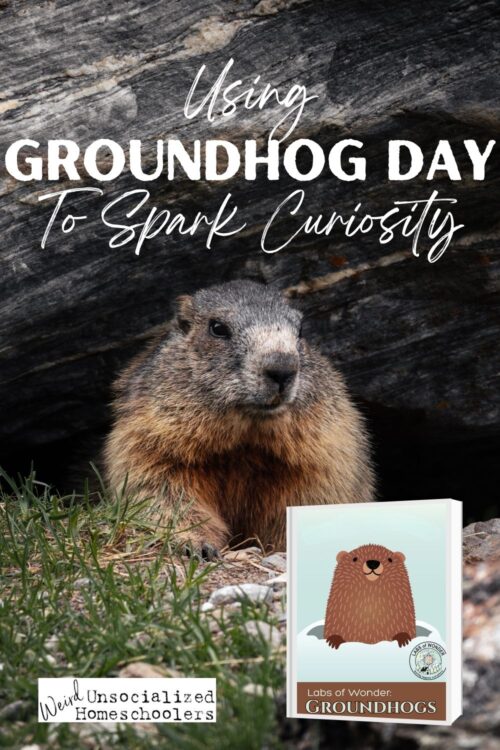
Enter our free Groundhog Unit Study: a flexible, curiosity-fueled guide to extend the magic into meaningful learning.
Designed for elementary learners (with built-in depth for older kids), it’s packed with:
- Groundhog basics: Anatomy diagrams, lifecycle stages, and behaviors like whistle warnings or scent marking.
- Survival smarts: Hibernation prep, diet foraging, predator escapes, and burrow blueprints.
- Big-picture connections: How groundhogs engineer ecosystems, spread seeds, and signal environmental health.
- Cultural roots: The history of Groundhog Day, from ancient traditions to famous furry forecasters like Punxsutawney Phil.
- Hands-on fun: Drawing tutorials, silly cupcake recipes, word scrambles, fill-in-the-blanks, and naturalist-style questions to think like a wildlife observer.
No rigid schedules… just pages for observation, discussion, drawing, and play that follow your child’s lead. Multi-age friendly, so siblings can explore together: Littles label and color, while big kids tackle cause-effect reflections or habitat impacts.
Groundhog Day hands you the spark. This unit keeps it glowing into a joyful, connected discovery. Grab your free copy here and transform one whimsical February ritual into lasting family learning. Happy noticing, and happy Groundhog Day!