

Seeds of Hope by David Stelzer: More Than a Story About Healthy Food
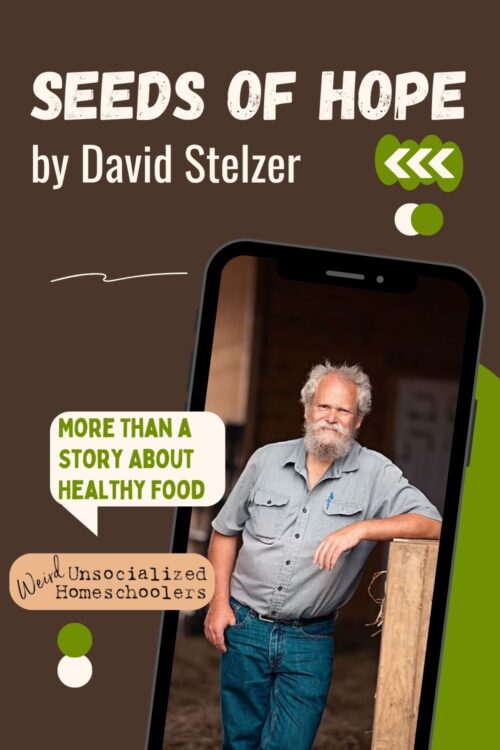
Seeds of Hope by David Stelzer: More Than a Story About Healthy Food
I’ve had the pleasure of interviewing David Stelzer, founder of Azure Standard, twice on Homeschool Conversations. And both times, I walked away thinking about far more than organic food or farming.
Our conversations covered faith, family, raising children who can think for themselves, meaningful work, caring for our communities, and what it means to build something that will continue blessing people long after we’re gone.
These are conversations I love having because they touch the very heart of why I homeschooled my three boys and why, even now that they’ve graduated, I remain so passionate about encouraging families to approach education differently.
Learning isn’t something we finish. If we do it right, it isn’t confined to childhood, a curriculum, or even the years we spend homeschooling.
Learning is a lifelong pursuit. And what we do with that learning matters.
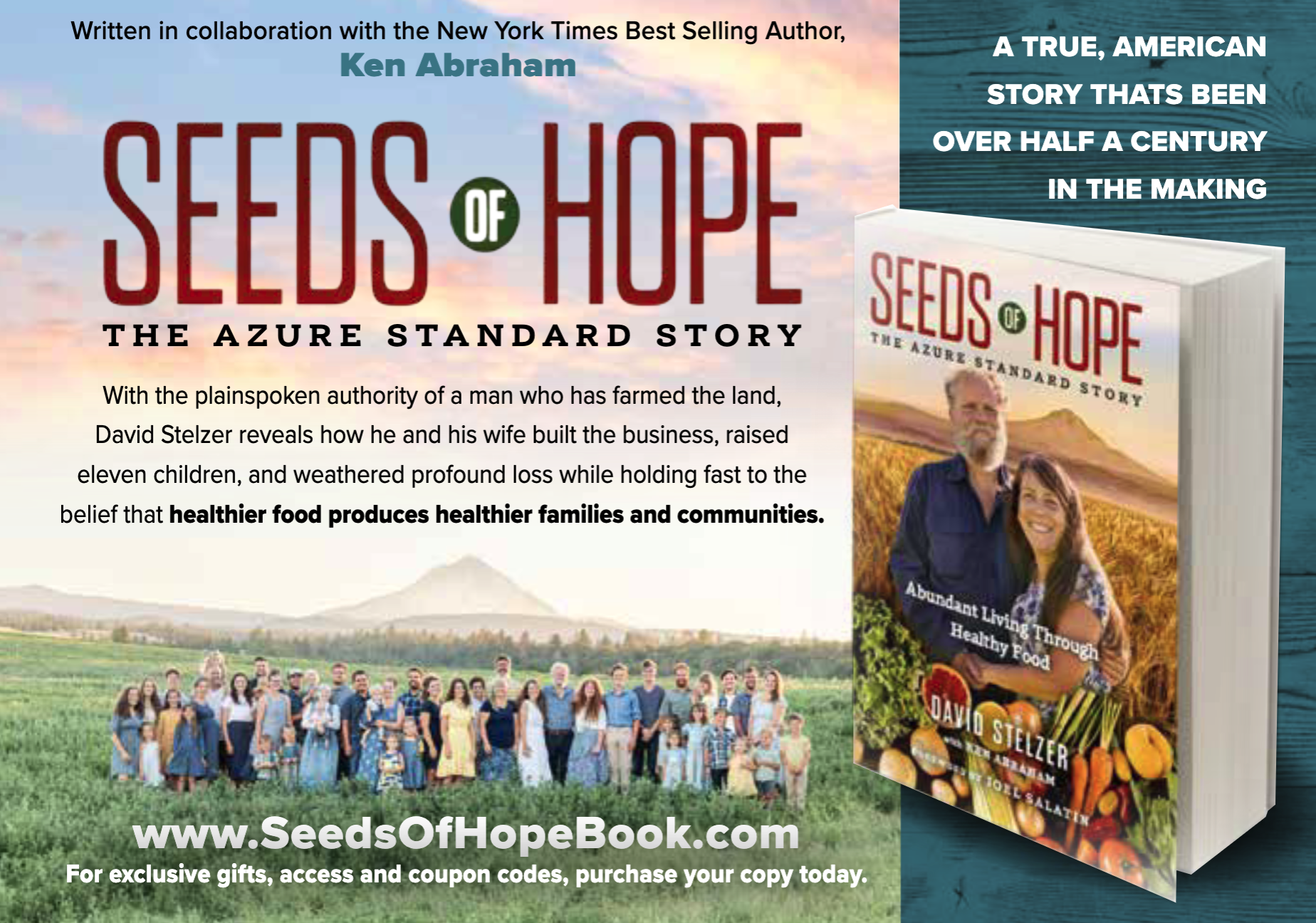
That’s why I was excited to learn about David’s new book, Seeds of Hope: The Azure Standard Story—Abundant Living through Healthy Food, co-written with Ken Abraham.
The book tells the story behind Azure Standard, but it’s about much more than building a successful business. It’s about faith, family, perseverance, health, and the courage to follow your convictions, even when that means choosing a completely different path.
A Childhood Challenge That Changed a Family’s Direction
David’s story begins long before Azure Standard existed.
As a young child, he struggled with serious health problems, including chronic asthma and severe reactions that left his family searching for answers.
His father eventually began questioning conventional agricultural practices and whether the way food was grown might be affecting his family’s health.
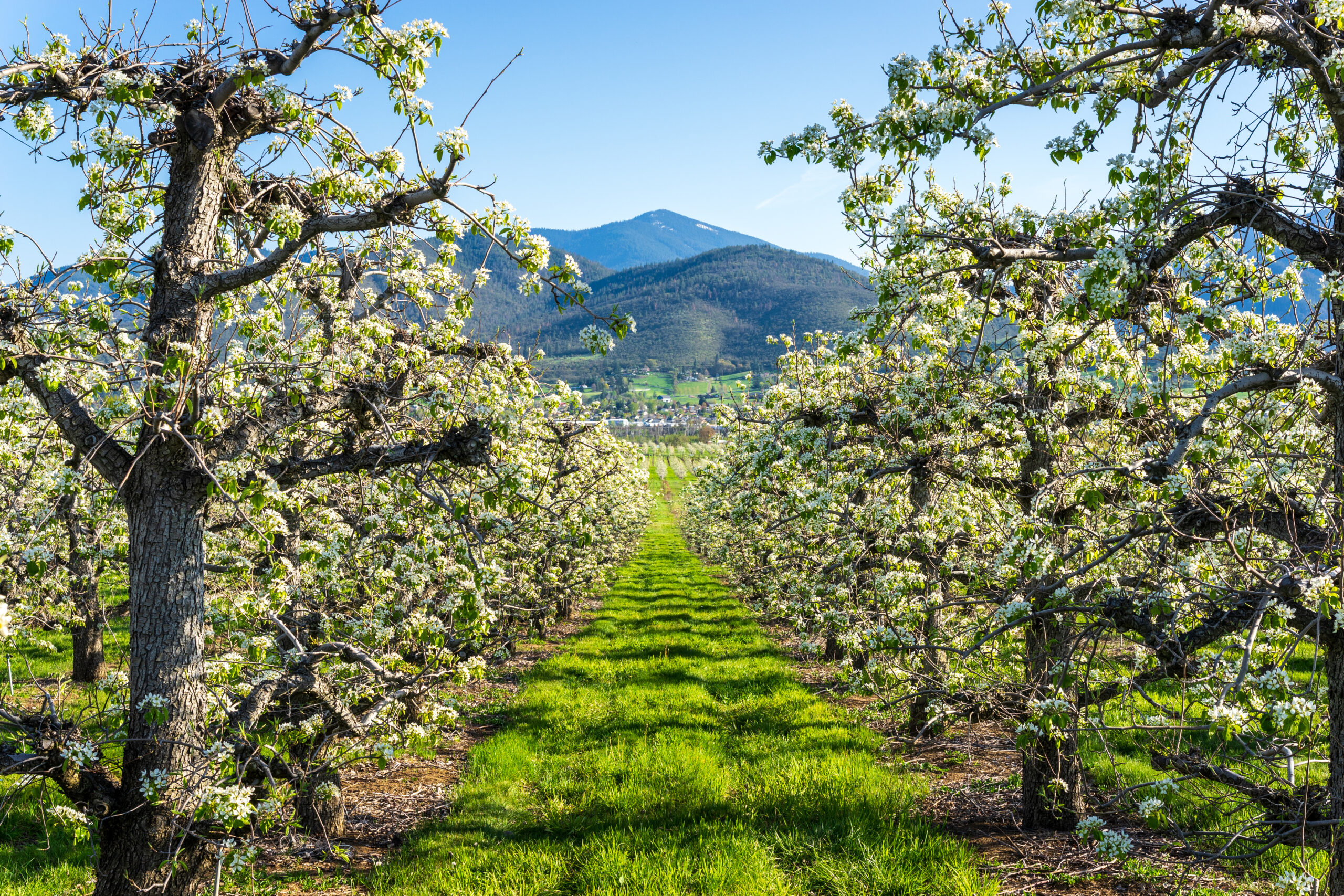
In 1973, the family made an extraordinary decision. They began transitioning their 1,800-acre Oregon farm to organic agricultural practices.
Think about that for a moment.
Today, we can find organic food in grocery stores across the country. We can research ingredients, compare farming methods, and order products from companies dedicated to natural foods.
But in 1973? That was a very different story.
The Stelzer family was willing to question accepted practices, investigate alternatives, and make significant changes based on what they learned and experienced firsthand.
What began as an effort to improve David’s health eventually changed how the Stelzer family farmed and laid the foundation for Azure Standard.
I find that part of the story especially meaningful.
We all encounter circumstances we wouldn’t choose. Illness. Financial difficulties. Loss. Unexpected changes that turn our carefully constructed plans upside down.
What interests me about the Stelzer family’s response is that they didn’t simply accept the answers they were given. They kept asking questions, learning, and making changes based on what they discovered.
That’s the kind of curiosity I’ve always wanted to encourage in my children. Not questioning everything simply for the sake of questioning it, but developing the confidence to investigate, think critically, and act on what they learn.
The Stelzers weren’t setting out to build a nationwide food company. They were trying to help their son.
And in doing so, they discovered an opportunity to help other families, too.
Raising Children Who Learn Through Living
During one of my conversations with David, we talked about homeschooling and the importance of raising children who are comfortable with responsibility.
David and his wife, Kimberly, raised eleven children. Their family farm and business provided opportunities for those children to learn through participation, observation, problem-solving, and meaningful work.
I love that.
One of my deepest convictions about homeschooling is that we aren’t simply educating children. We’re preparing people for life.
And life doesn’t arrive neatly divided into subjects.
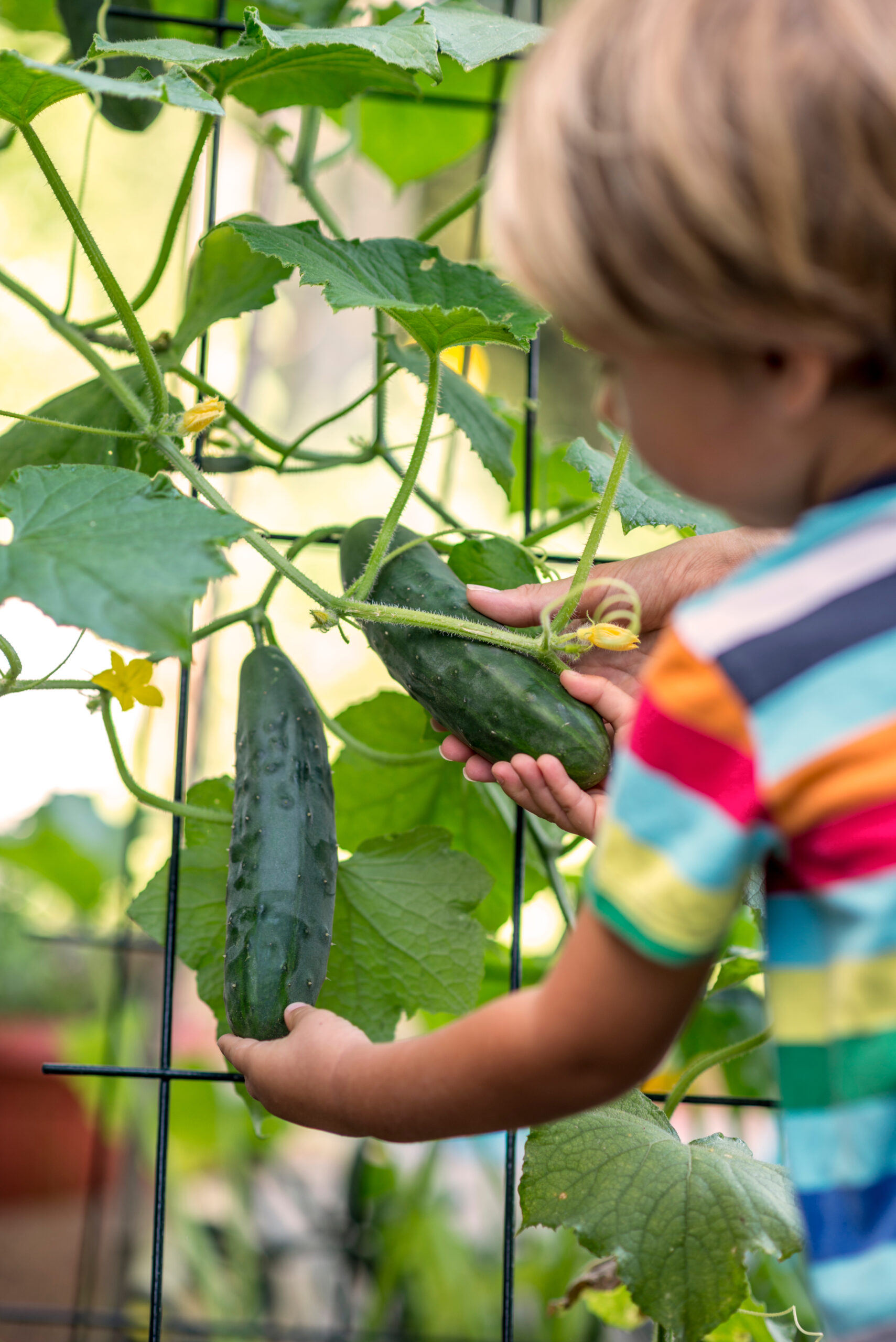
When a child helps grow a garden, they’re learning biology, chemistry, patience, and responsibility.
When they help manage a family business, they’re learning mathematics, communication, economics, and how to work with other people.
When something breaks and they have to figure out how to fix it, they’re learning to investigate, experiment, and persist.
But perhaps even more importantly, they’re learning that they are capable.
I spent years taking homeschool families on experiential learning adventures around the country because I wanted children to encounter the world firsthand. To investigate. To ask questions. To discover connections they might never find in a textbook.
That’s also the foundation of Wonderings.
Curiosity isn’t merely a teaching strategy. It’s a way of approaching life.
And it doesn’t end at graduation.
David’s story illustrates that beautifully. His education, and the education of his children, has been shaped by the real challenges, responsibilities, and opportunities of everyday life.
In our conversation about real-life learning, we discussed how children raised with meaningful responsibilities can enter adulthood with confidence, adaptability, and a willingness to continue learning.
Those are qualities I want for every child.
Not simply the ability to answer questions on a test, but the confidence to face unfamiliar situations and figure out what to do next.
Faith Isn’t Separate From the Work We Do
Another part of my conversations with David that I especially appreciated was hearing how his faith influences his everyday decisions.
We discovered that our families share a commitment to honoring the Sabbath, which made that conversation particularly meaningful to me.
For David, faith isn’t something reserved for a particular day or activity. It shapes how he approaches family, agriculture, business, and caring for others.
That perspective is woven throughout Seeds of Hope.
The story includes tremendous challenges: financial hardship, conflict, personal tragedy, and the enormous pressures that come with building and maintaining a business.
It would be easy to tell this story simply as a triumph of entrepreneurship. But I’m more interested in what sustained the family through those difficult times.
What do you hold onto when circumstances become overwhelming? How do you make decisions when the easier choice conflicts with your convictions? And how do you remain faithful to your responsibilities when the outcome is uncertain?
These aren’t just business questions.
They’re family questions. Parenting questions. Questions about character and the kind of people we’re becoming.
I believe our children learn an enormous amount from watching how we respond when life doesn’t go according to plan. Probably more than we realize, and sometimes more than we wish they had to witness.
They see whether we continue learning. Whether we treat people with compassion. Whether we acknowledge mistakes and make changes. Whether our faith influences our actions when doing the right thing is difficult.
Those lessons may never appear on a homeschool transcript.
But in my opinion, they’re some of the most important lessons we’ll ever teach our children.
Healthy Food, Healthy Families, and Caring for Our Communities
My first conversation with David focused on food security, something I’ve been passionate about for decades. It’s one of the reasons we purchased 40 acres and started Live and Learn Farm. We wanted to grow more of our own food, understand exactly where it came from, and become less dependent on systems outside our control.
After the tornado devastated our farm last year, those convictions became even stronger. We’re rebuilding more than our home. We’re working to restore our land, including much of the topsoil we lost, and we’re more committed than ever to regenerative farming and our family’s health.
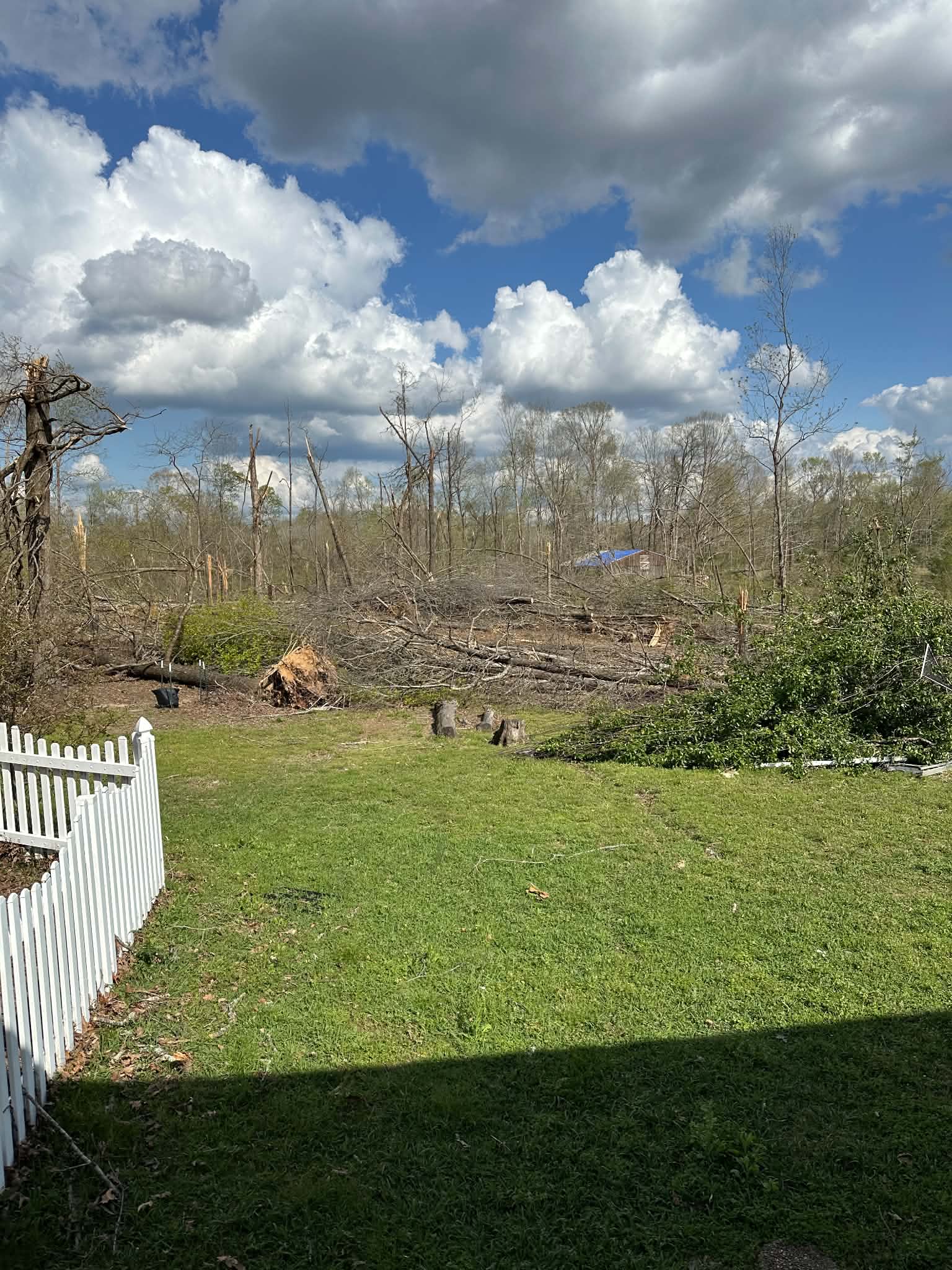
That’s one reason I found my conversation with David so interesting. He shared how Azure Standard incorporates regenerative agricultural practices and why healthy soil is so important to growing nutritious food. Having experienced firsthand what it means to lose so much of our soil, I have an entirely new appreciation for the work involved in restoring it.
We also discussed food security, local food networks, and the nutritional quality of the food we eat.
One of David’s observations from that conversation stayed with me:
“We live in a nation that has way too many calories, but people aren’t getting the nutrition they need.”
Think about what that means. We can eat plenty of food, consume more than enough calories, and still fall short of the vitamins, minerals, and other nutrients our bodies need to function properly.
Our bodies need those nutrients for everything from maintaining healthy bones and muscles to supporting our immune systems, producing energy, and repairing damaged tissues. Calories provide energy, but the nutritional value of what we eat matters just as much.
David’s emphasis on soil health is part of that larger conversation. Healthy soil supports healthy plants, and farming practices can influence the nutritional composition of crops. While nutrient content depends on many factors, including the crop variety and growing conditions, caring for the soil is an important part of producing food.
That connection between the land and our health is something I want families to understand, especially as more of us become disconnected from where our food originates.
It’s also part of what makes Azure Standard’s mission interesting to me. What began as one family’s effort to improve their health and farming practices eventually grew into a nationwide food distribution network. Through its community drop locations, Azure Standard connects families with organic and natural foods while helping create relationships among people who care about what they’re feeding their families.
For me, that connection between personal responsibility and caring for others is an important part of David’s story. His family’s commitment to better food didn’t end at their own dinner table. They found a way to make those choices available to other families, too.
What Does It Mean to Leave a Legacy?
I think this may be the part of David’s story that resonates with me most.
Now that my three sons have graduated from homeschooling, I find myself looking at education through a different lens.
For so many years, our days were filled with lessons, activities, field trips, conversations, and all the wonderful chaos of raising and educating children.
But homeschooling was never the final destination.
The goal was to raise young men who could think critically, continue learning, develop meaningful relationships, contribute to their communities, and pursue the lives God has called them to live.
And now I get to see what they do with all of that.
Of course, the learning didn’t end when they graduated. Not for them, and certainly not for me.
I’m still learning, building businesses, pursuing new ideas, and figuring things out as I go. Some of my most challenging and rewarding experiences have happened since my boys finished homeschooling.
That’s one of the things I appreciate about David’s story. His family’s decision to change their farming practices began with a desire to help their son. They couldn’t have known that decades later, those decisions would influence how thousands of families purchase food and create opportunities for future generations of the Stelzer family.
And I think that’s worth considering as parents.
We put so much time and energy into preparing our children for adulthood, but we don’t always get to see where those lessons will take them. They’ll make decisions we never anticipated, pursue interests we may not share, and encounter challenges we couldn’t possibly prepare them for.
That’s as it should be.
Our job was never to map out their entire lives. It was to give them a foundation strong enough to build lives of their own.
And in the meantime, we still have lives to live, things to learn, and work worth doing.
That’s the kind of legacy I hope to leave. Not simply what I’ve accomplished, but people who are equipped and encouraged to keep growing long after my part in their education is finished.
Why I Think Homeschool Families Will Connect With This Story
You don’t have to be a farmer, business owner, or Azure Standard customer to appreciate David’s story.
As homeschool parents, we’re always looking for ways to help our children connect what they’re learning to the world around them. And David’s experiences give us plenty to talk about.
There’s entrepreneurship, agriculture, economics, nutrition, and the responsibility that comes with running a business. But there are also lessons about perseverance, compassion, faith, and the willingness to question established practices when something doesn’t seem right.
I especially appreciate the opportunities this story creates for conversations with our teenagers. What does it take to build a business around your convictions? How do you balance financial responsibilities with doing what you believe is right? What happens when the path you’ve chosen becomes more difficult than you anticipated?
Those are questions worth discussing long before our children face similar decisions themselves.
David’s story also touches on subjects I’ve been investigating for years. My own Hashimoto’s diagnosis prompted me to look more closely at nutrition, agricultural chemicals, soil health, and the American food system. These are important topics for families to explore together, particularly as we consider how our choices affect our health, our communities, and the land we depend on.
And throughout it all, there’s the example of a family whose faith influenced the decisions they made, the challenges they faced, and the work they continued doing.
That’s what I appreciate most about this story. It gives us an opportunity to talk with our children about the kind of people they’re becoming, not simply what they want to do when they grow up.
Continue the Conversation
If you’d like to hear more about David’s family’s journey, faith, homeschooling, and approach to healthy living, I encourage you to watch or listen to both conversations.
Real Life, Real Learning with David Stelzer
A conversation about homeschooling, family, faith, responsibility, and preparing children for meaningful lives.
Why Food Security Matters: A Homeschool Conversation
A discussion about food security, regenerative agriculture, healthy soil, community, and making thoughtful food choices for our families.
Learn more about Seeds of Hope by David Stelzer
Seeds of Hope: The Azure Standard Story—Abundant Living through Healthy Food by David Stelzer, with Ken Abraham, was released October 13, 2026, by Forefront Books.